Engine oil carries heat, suspends contaminants, protects moving surfaces, and supports hydraulic systems inside many modern engines. The correct change point is therefore based on the vehicle manufacturer schedule, the approved oil specification, time, mileage, and how the vehicle is actually used.
Follow the manufacturer interval and oil specification first. Inspect sooner when the vehicle spends long periods in Dhaka traffic, makes repeated short trips, idles heavily, works in dust or heat, or has a history of oil consumption or leakage.
What should trigger an earlier check?
- Oil level falling between services
- A pressure or level warning that remains illuminated
- Visible leakage or a burning-oil smell
- Unusual valvetrain noise, overheating, or a sudden change in engine behavior
- Severe-use driving such as extended idling, short trips, heavy loads, dust, or stop-start traffic
Mileage is only one part of the interval
Oil also ages with time. Moisture and fuel dilution can build up when an engine repeatedly runs for short periods without reaching full operating temperature. Long idle time adds engine hours without adding much distance to the odometer.
A vehicle that travels fewer kilometres can still need timely maintenance. Record both the service date and mileage, then compare them with the manufacturer schedule.
Use the correct oil—not simply a familiar grade
Viscosity is important, but it is not the whole specification. API, ACEA, ILSAC, manufacturer approvals, engine design, emissions equipment, and climate can matter. The filter should also match the engine and service interval.
A thicker oil is not automatically better for an older engine, and a premium label does not make an incompatible oil suitable. Confirm the handbook specification or verified technical data before filling.
- Correct viscosity and performance standard
- Suitable filter and sealing washer
- Measured refill quantity and final level check
- Leak inspection after the engine has circulated oil
What a professional oil service should include
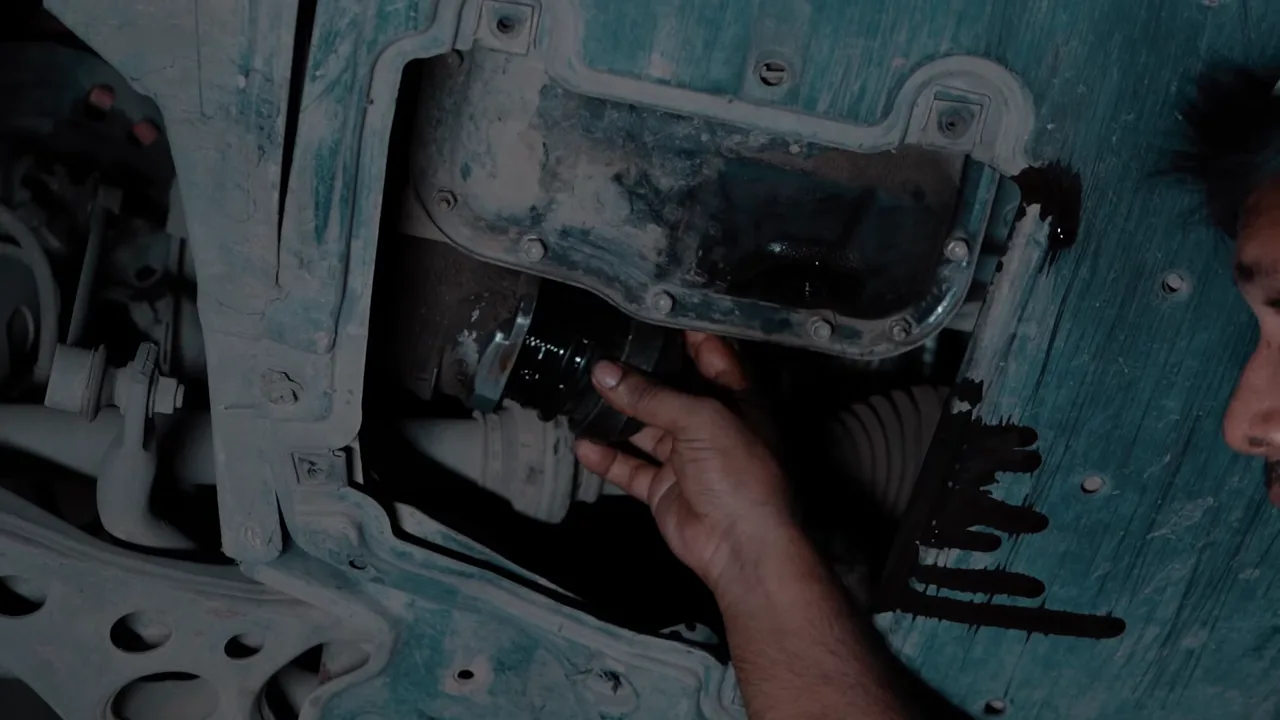
A useful oil service is also an inspection point. The technician can check the drained oil for unusual contamination, inspect visible leakage, confirm the filter seal, refill accurately, run the engine, and recheck level and leaks.
If the oil level was low, the cause matters. Topping up restores quantity but does not explain whether the engine is leaking, consuming oil, or was previously under-filled.
When to request workshop inspection
- The oil warning remains on after starting
- The engine is noisy, overheated, leaking, or producing unusual smoke
- The required oil specification is uncertain
- Service history is unknown after purchasing a used vehicle
Oil condition alone cannot confirm internal engine health. If a warning, noise, pressure concern, or repeated level loss is present, test the cause before assuming an oil change will solve it.