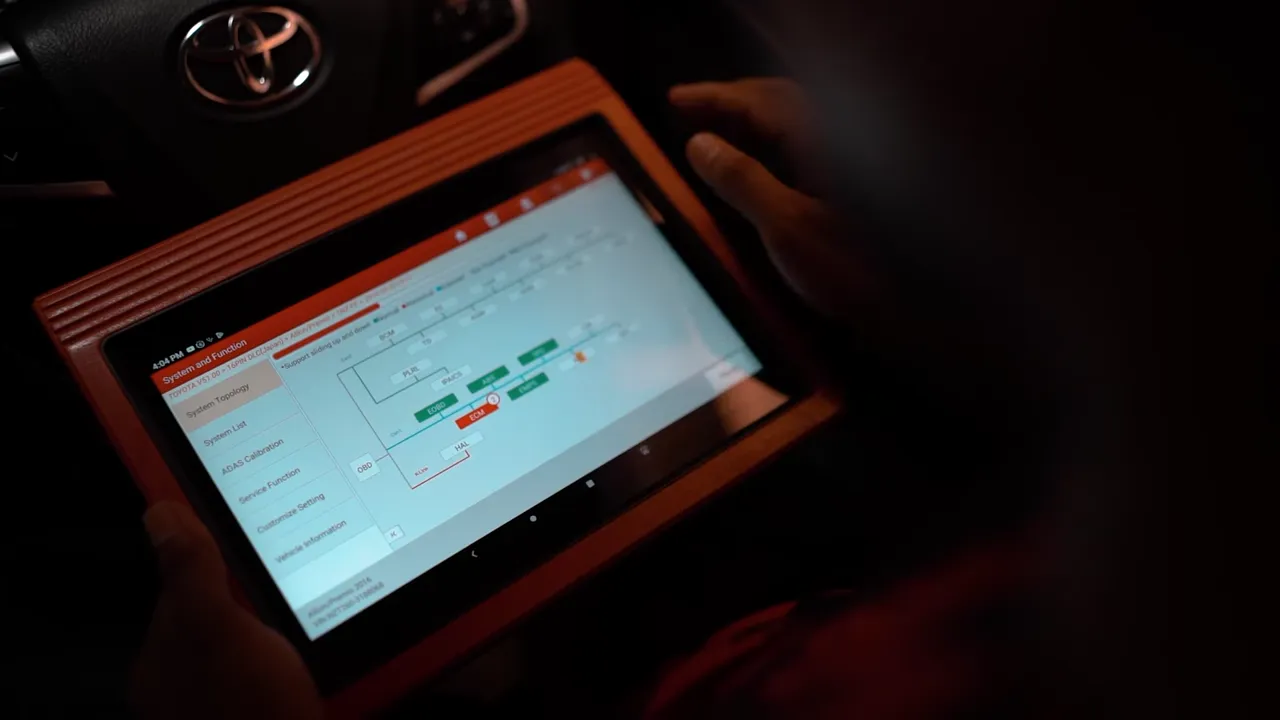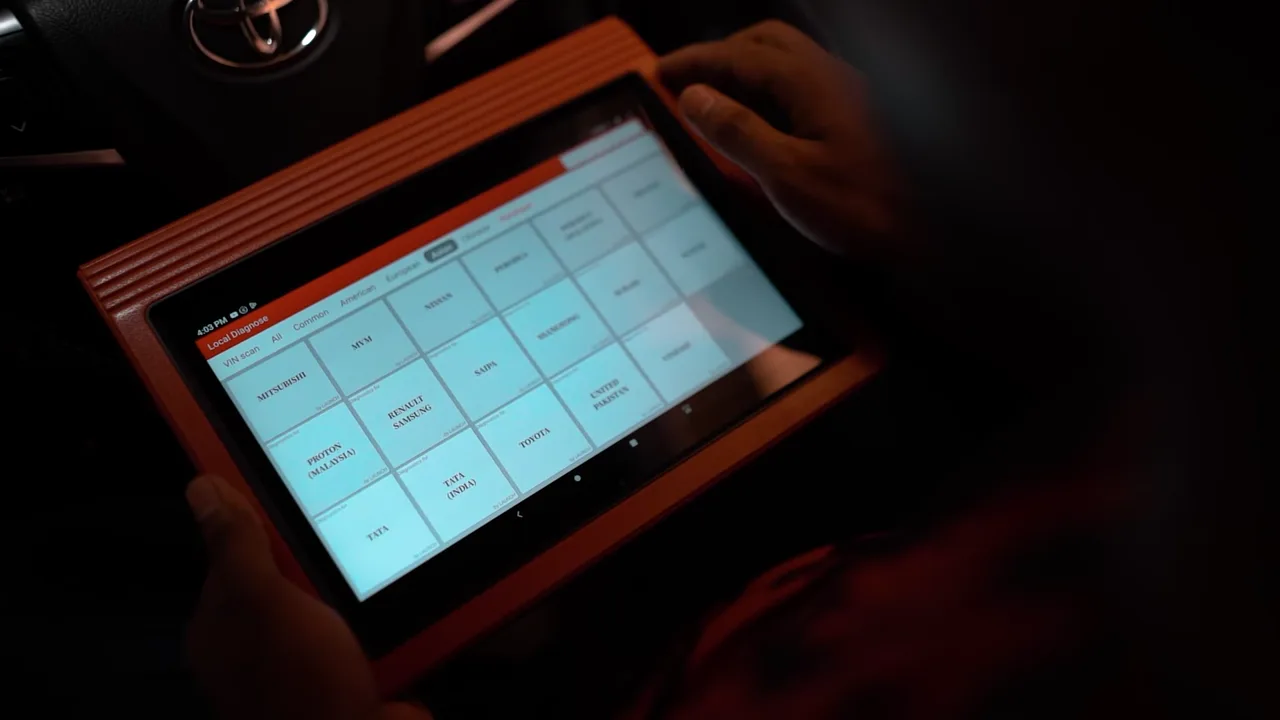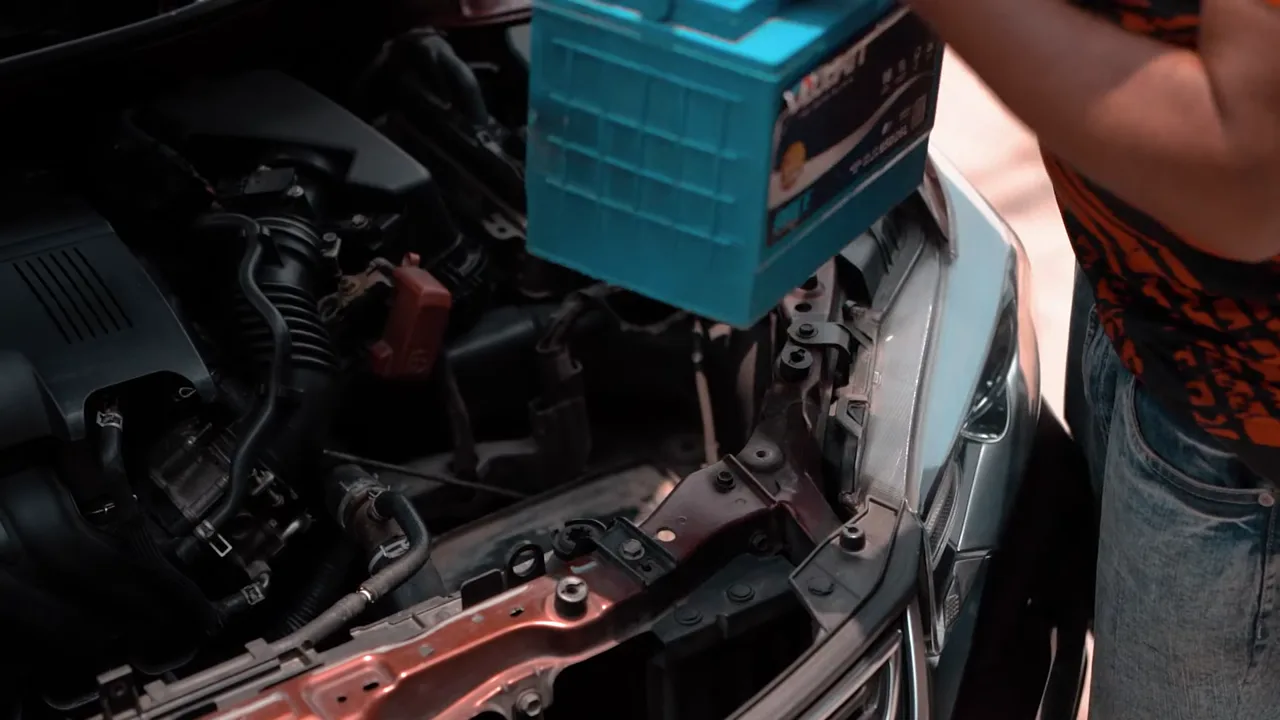
A conventional 12-volt battery supplies starting current and stabilizes the electrical system. Age and heat affect it, but a weak start does not always mean the battery itself is the only problem.
Request battery and charging-system testing after slow cranking, repeated jump starts, swelling, leakage, damaged terminals, a charging warning, or a measured failure. Confirm the correct size, capacity, terminal layout, and battery technology before replacement.
Common battery and starting symptoms
- Slow or inconsistent cranking
- Repeated jump-start requirement
- Clicking with insufficient cranking
- Battery or charging-system warning
- Corrosion, loose terminals, swelling, cracking, or leakage
- Electrical reset or dimming during starting
Battery failure and discharge are different
A battery can be healthy but discharged because lights were left on, the charging system is weak, a connection has high resistance, or a module continues drawing current after shutdown. Replacing the battery without finding the discharge source can lead to the same problem again.
Testing should consider resting voltage, starting behavior, conductance or load performance, charging output, terminal condition, and parasitic draw when the history suggests it.
Choose the correct replacement
Physical fit is only one requirement. Battery capacity, cold-cranking performance, reserve capacity, terminal position, venting, hold-down, and technology such as flooded, EFB, or AGM may matter. Some vehicles also require battery registration or system reset.
Use verified vehicle information and part data. Do not install a battery that cannot be secured correctly or that conflicts with the charging strategy.
- Correct dimensions and hold-down
- Correct terminal orientation and venting
- Suitable capacity and battery technology
- Clean, tight, undamaged connections
- Registration or reset where the vehicle requires it
Safe handling matters
Automotive batteries are heavy and can produce explosive gas, corrosive electrolyte, and very high current. Avoid sparks, reverse polarity, loose tools across terminals, and unprotected handling of a damaged or leaking battery.
If the battery is swollen, hot, cracked, leaking, or has been involved in an impact, keep clear and arrange professional assistance.
When to request workshop inspection
- The battery is swollen, leaking, hot, cracked, or physically damaged
- The vehicle repeatedly needs a jump start
- A charging warning remains on while the engine runs
- A new battery becomes discharged again
A replacement battery will not correct a failed alternator, starter problem, damaged connection, or parasitic drain. Test the related starting and charging system before closing the job.