Automatic, CVT, DCT, and manual transmissions do not share one universal fluid or procedure. The correct interval and method depend on the vehicle manufacturer schedule, transmission design, verified fluid specification, operating conditions, and current condition.
Use the manufacturer interval and exact fluid specification. Inspect sooner after heavy traffic, towing, heat, water exposure, leakage, uncertain history, or symptoms such as delayed engagement, shudder, slipping, noise, or a warning light.
Symptoms that need diagnosis before service
- Delayed engagement into Drive or Reverse
- Shudder, flare, slipping, harsh shift, or hesitation
- Whine, grinding, vibration, or unusual operating noise
- Transmission, CVT, DCT, or check-engine warning
- Fluid leakage, contamination, burnt odour, or unknown service history
The correct fluid is transmission-specific
Fluids differ in friction characteristics, viscosity, additives, and compatibility. A generic label or similar colour is not enough. The specification should match the transmission code or verified manufacturer information.
Using the wrong fluid can change clutch behavior, lubrication, hydraulic control, cooling, and seal performance. More expensive fluid is not automatically correct.
Drain, exchange, level setting, and calibration
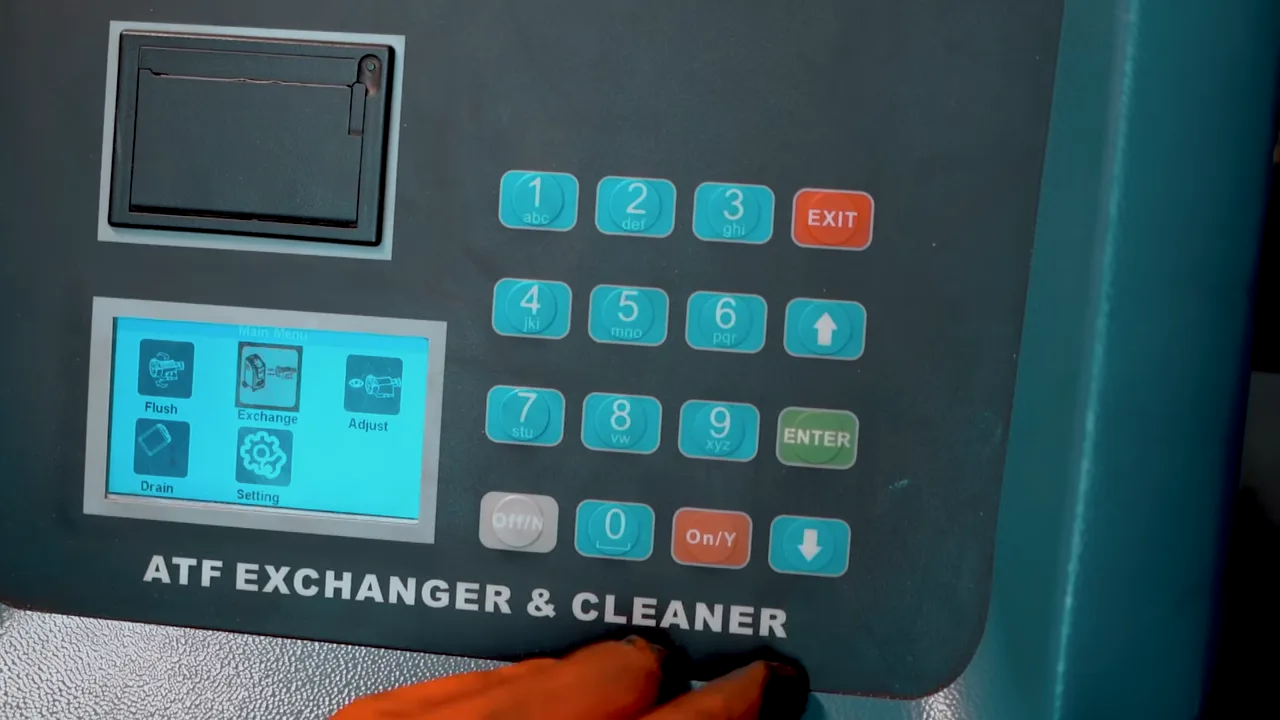
Some transmissions use a simple drain-and-refill procedure. Others require a temperature-based level check, special filling sequence, machine-assisted exchange, filter or pan service, relearning, or calibration. The appropriate method depends on design and condition.
A fluid service is maintenance; it is not a guaranteed repair for existing mechanical, hydraulic, electronic, or clutch damage. Symptoms should be diagnosed before choosing the procedure.
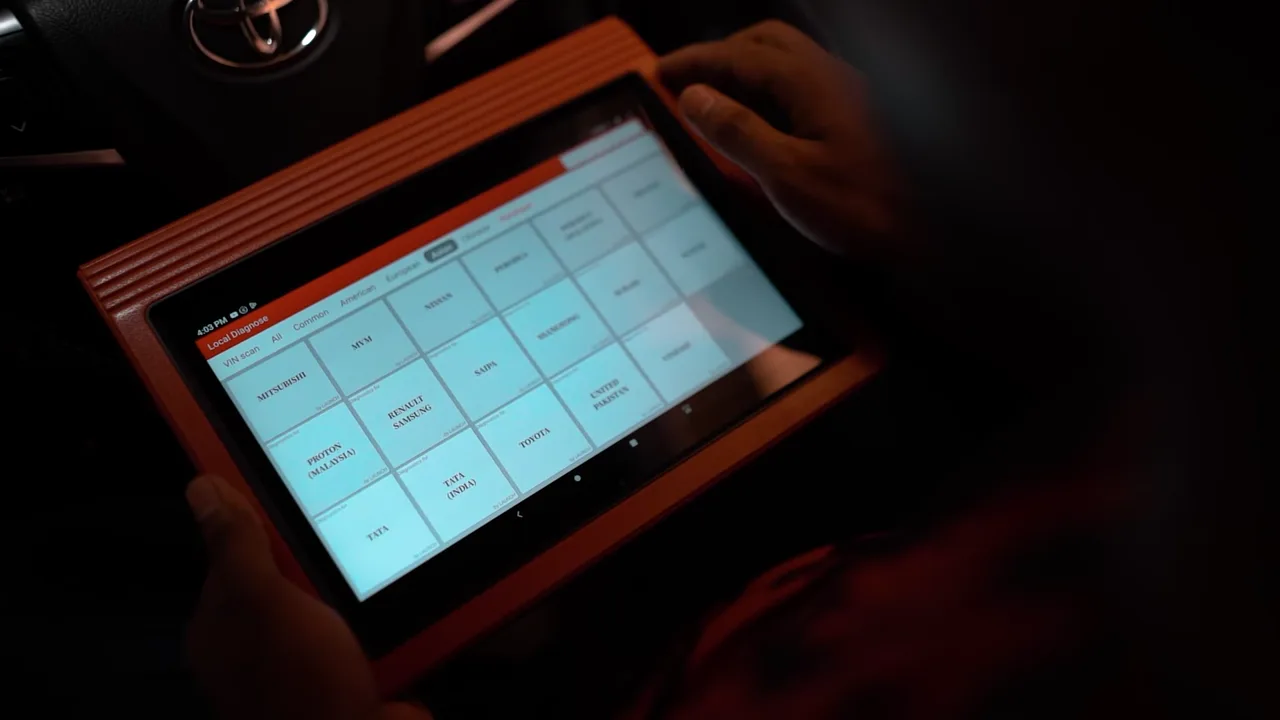
- Identify the transmission and required specification
- Inspect leakage and available fluid condition
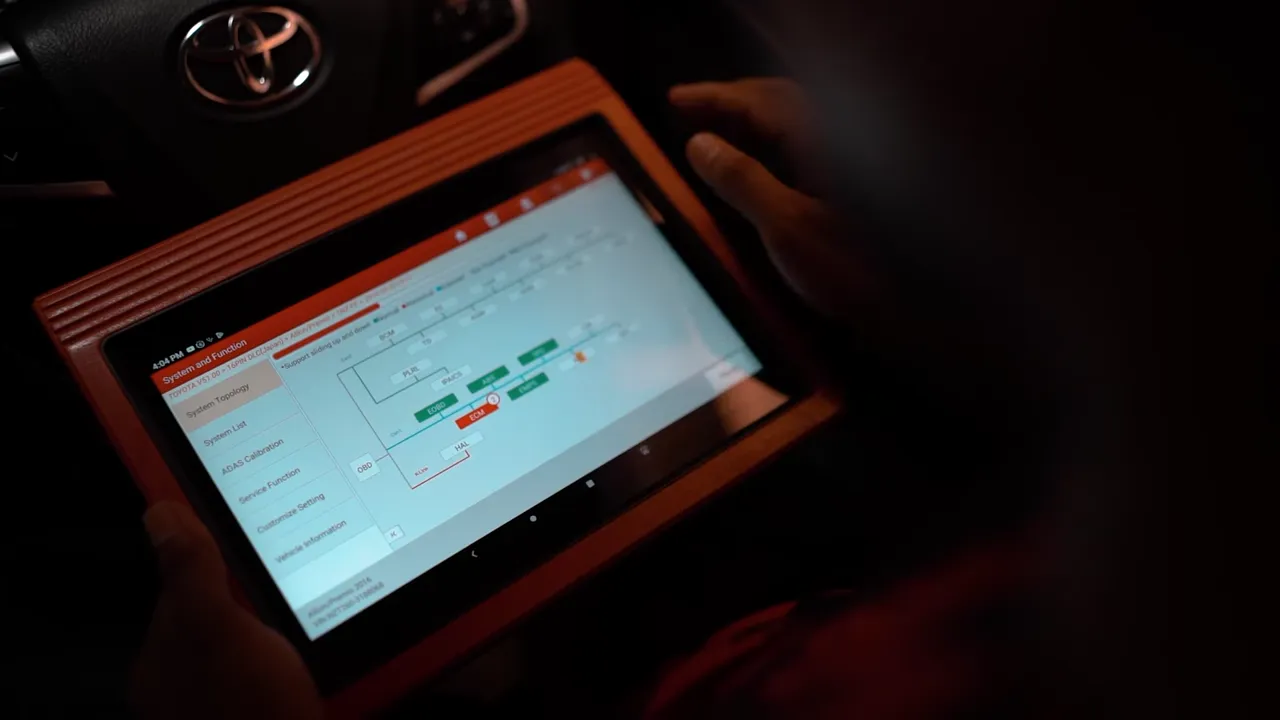
- Scan for transmission-related faults when symptoms exist
- Use the correct fill quantity, temperature, and level method
- Perform adaptation or calibration only where required
What if the history is unknown?
An unknown history requires inspection and a measured decision. The workshop should consider mileage, symptoms, leakage, fault data, available fluid condition, and manufacturer guidance before recommending drain-and-refill, exchange, further diagnosis, or repair.
Do not add an unverified fluid or additive simply because shifting has changed. Mixing incompatible products can make diagnosis and repair more difficult.
When to request workshop inspection
- A warning light or limited transmission mode appears
- The vehicle slips, shudders, delays engagement, or makes abnormal noise
- Fluid is leaking or the transmission has overheated
- The fluid type or previous service history cannot be confirmed
Transmission symptoms can be mechanical, hydraulic, electronic, software-related, or caused by another vehicle system. Diagnose the symptom before treating fluid replacement as the solution.