A hybrid battery works with cooling, sensing, control, charging, and high-voltage systems. When the vehicle reports a hybrid concern, the battery may be involved, but the warning does not prove that the complete battery pack has failed.
Book hybrid diagnosis when warning messages appear, electric assistance becomes inconsistent, fuel economy changes noticeably, the battery cooling fan runs loudly, or the state-of-charge display rises and falls unusually quickly.
Warning signs worth documenting
- Hybrid-system or master warning message
- Reduced EV operation or frequent engine running
- Rapid swings in the battery charge display
- A battery cooling fan that becomes unusually loud or frequent
- Noticeable fuel-economy loss without another clear cause
- Reduced power, limited-mode operation, or repeated fault return
Why the symptoms can overlap
Battery modules, cooling airflow, temperature sensors, wiring, relays, current sensing, inverter operation, and engine performance can influence hybrid behavior. A blocked cooling path or another vehicle fault may create symptoms that resemble battery deterioration.
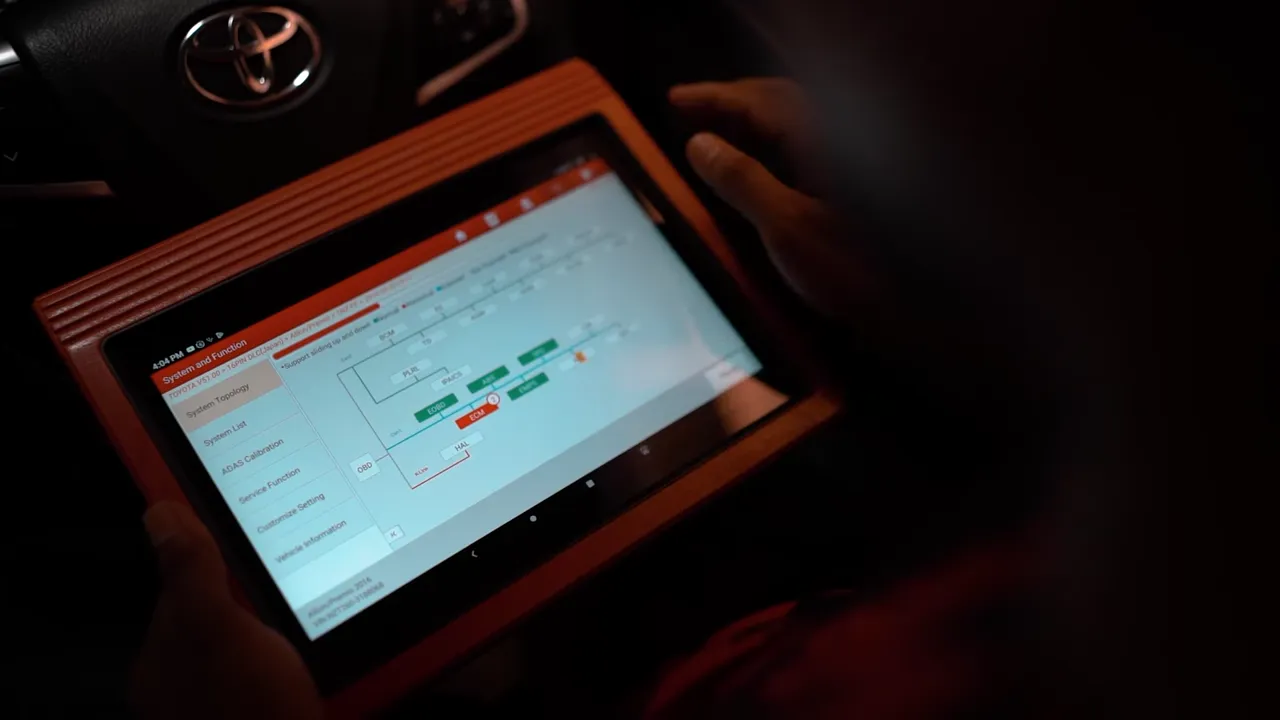
Reading a code is the beginning of diagnosis. The code identifies a system or condition; live data, temperature behavior, voltage balance, inspection, and system tests help establish the actual cause.
Cooling is part of battery health
Hybrid batteries produce heat during charging and discharge. Restricted intake vents, dust buildup, a weak fan, poor airflow, or high cabin temperature can raise operating temperature and accelerate deterioration.
Keep the manufacturer air intake unobstructed. Do not cover it with luggage or upholstery, and do not attempt to open a high-voltage battery enclosure without suitable training and safety procedures.
- Inspect accessible cooling inlets
- Review temperature and fan-operation data
- Check for stored hybrid and battery-control faults
- Compare module or block behavior using suitable diagnostic equipment
Repair decisions should follow measured condition
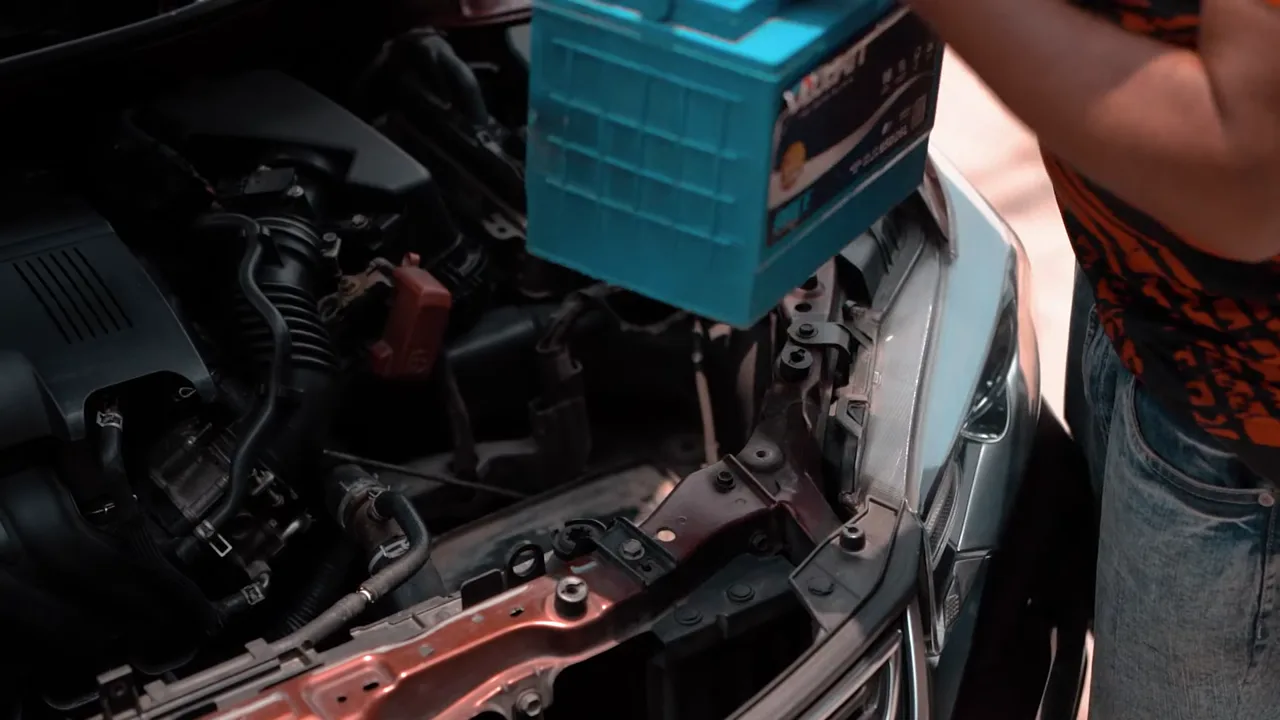
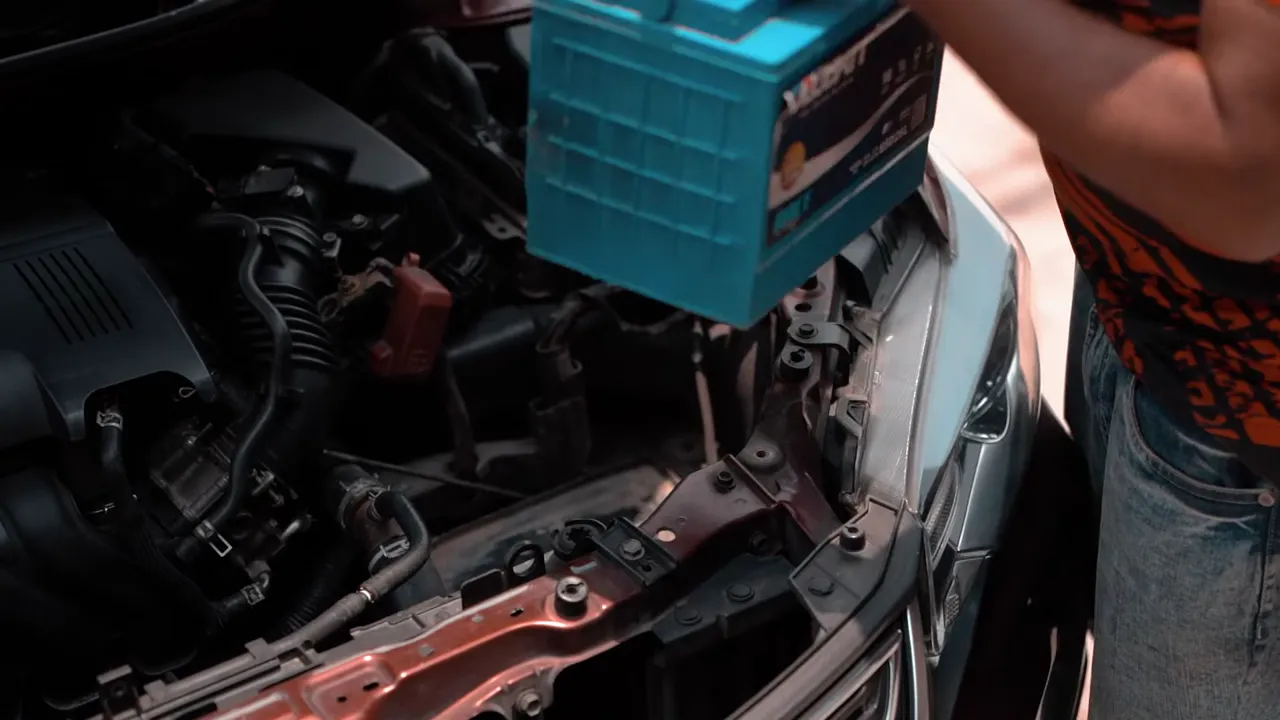
Depending on design and condition, the correct response may involve cleaning or repairing the cooling system, addressing wiring or sensor faults, servicing a component, balancing or repairing the battery where technically appropriate, or replacing the assembly.
The recommendation should consider safety, reliability, available parts, warranty, and the measured condition of the complete system—not only one voltage reading.
When to request workshop inspection
- A hybrid or master warning appears
- The vehicle enters reduced-power or limited-operation mode
- There is heat, unusual odour, impact damage, water exposure, or electrical noise
- A previous code was cleared but the warning returned
High-voltage hybrid systems can cause serious injury. Do not open battery, inverter, or high-voltage components. Record the warning and vehicle behavior, then arrange qualified diagnosis.