The check-engine light turns on when the engine or emissions control system detects a condition outside its expected range. The same light can represent a loose connection, sensor circuit, air or fuel problem, ignition misfire, emissions fault, mechanical concern, or a related system affecting engine operation.
A steady light usually allows careful travel for diagnosis if the vehicle feels normal. A flashing light, severe misfire, overheating, oil-pressure warning, smoke, or major loss of power should be treated as urgent and the vehicle should not be driven unnecessarily.
Information to note before diagnosis
- Whether the light is steady or flashing
- When it first appeared and whether work was recently performed
- Starting difficulty, rough idle, hesitation, smoke, smell, noise, or reduced power
- Fuel level, weather, road condition, or load when the symptom occurred
- Any ABS, hybrid, transmission, temperature, battery, or oil warning shown at the same time
A code is a clue—not a parts order
Diagnostic trouble codes describe a system, circuit, or detected operating condition. A code mentioning an oxygen sensor does not automatically prove the sensor is defective; wiring, air leaks, fuel control, exhaust leaks, and engine operation can affect the same data.
Replacing the named component without confirming power, ground, signal, mechanical condition, and related data can waste money and leave the original fault unresolved.
A diagnosis-first workflow
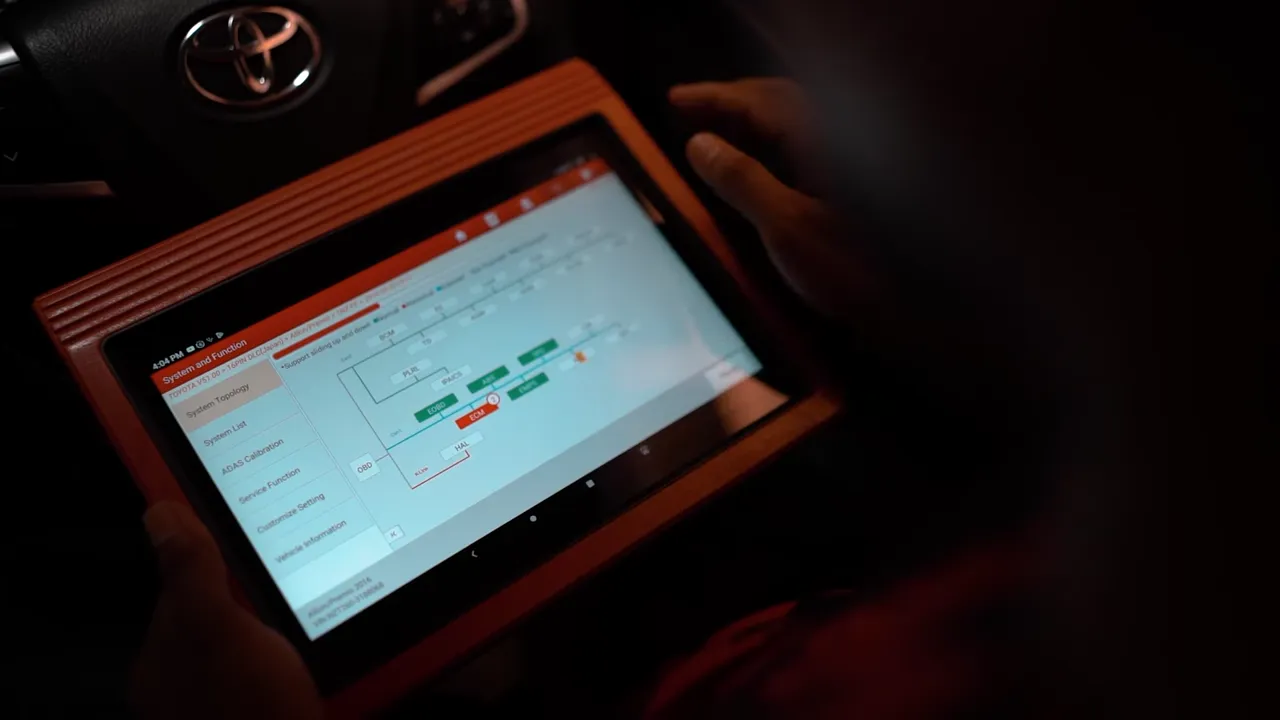
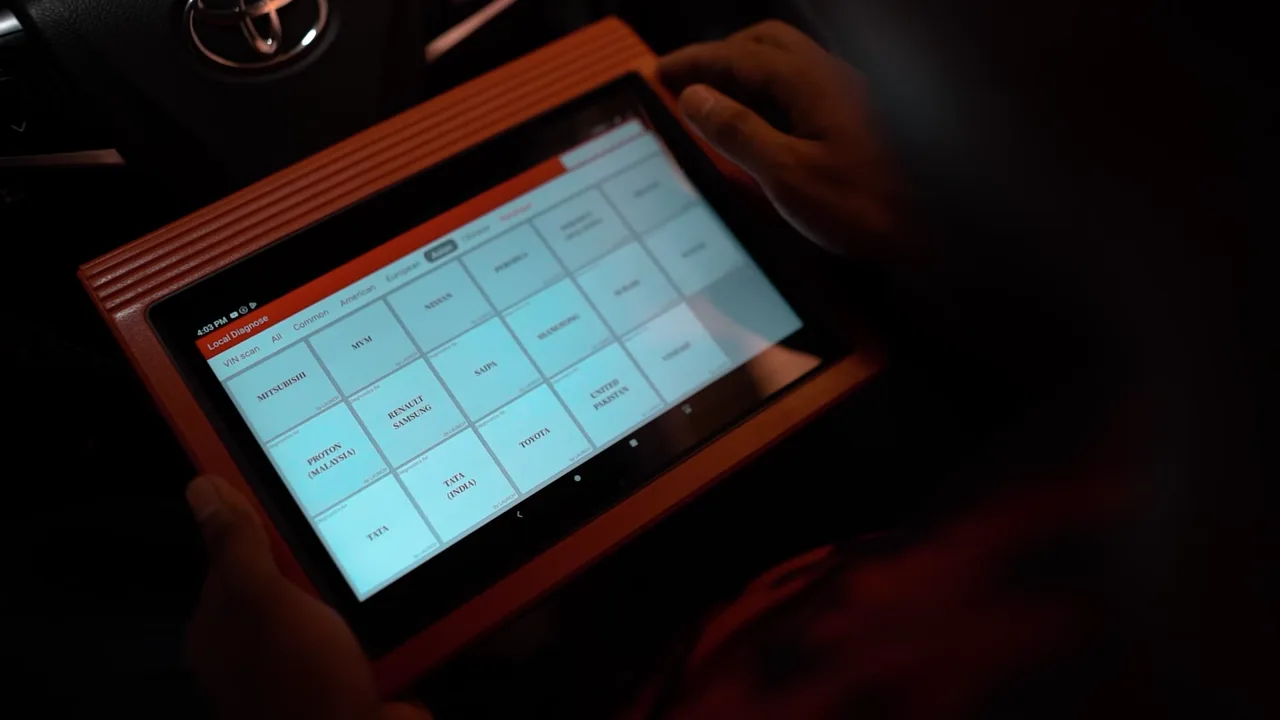
Good diagnosis records the customer complaint, scans relevant modules, preserves freeze-frame information, checks service information, reviews live data, and performs targeted electrical or mechanical tests. After repair, the system should be checked again under the conditions that originally triggered the fault.
Clearing the code before recording it can erase useful evidence. If the light has appeared, avoid disconnecting the battery or clearing codes until the technician has captured the information.
- Confirm the complaint and warning status
- Scan all relevant control modules
- Review codes, freeze-frame, and live data
- Inspect and test the likely circuit or mechanism
- Repair the confirmed cause and verify the result
Can you keep driving?
That decision depends on the warning behavior and vehicle symptoms. A steady light with normal operation is different from a flashing light with severe shaking. Temperature and oil-pressure warnings require separate urgent attention even if a check-engine light is also present.
When uncertain, stop in a safe location and contact the workshop. A short phone description can help determine whether the vehicle should be driven or transported.
When to request workshop inspection
- The light flashes or the engine misfires strongly
- Power is limited, the engine stalls, or starting is difficult
- The warning returns after a previous repair or code clearing
- Fuel consumption, smoke, noise, or temperature changes noticeably
An online article cannot interpret your vehicle data. Preserve the warning information and arrange scanning plus physical testing before replacing any component.